Z3 resurected

Will_460cs

Dedicated Member
Joined
May 14, 2016
Points
29
Heres is an example of rust repair I'm currently doing to my dads/GF's new car... a near immaculate 2001 Z3 MSport, the process is good example which may aid someones DIY.

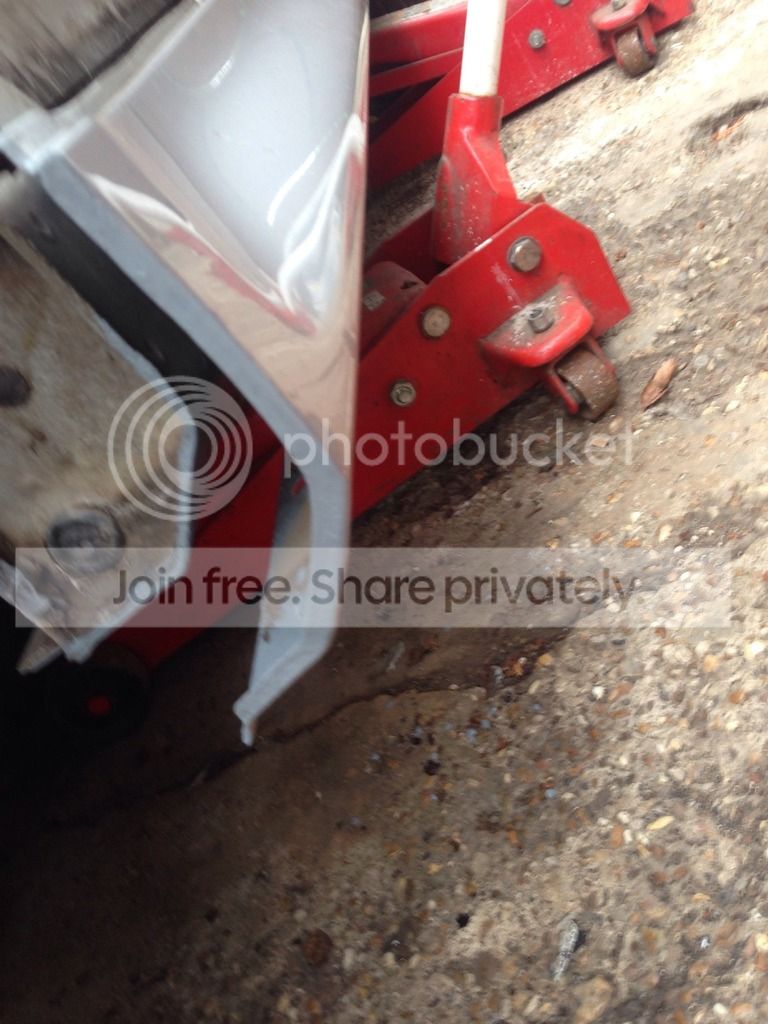
All good except some pretty nasty looking rust on the structural sill of Z3 behind the near side passenger front wheel:
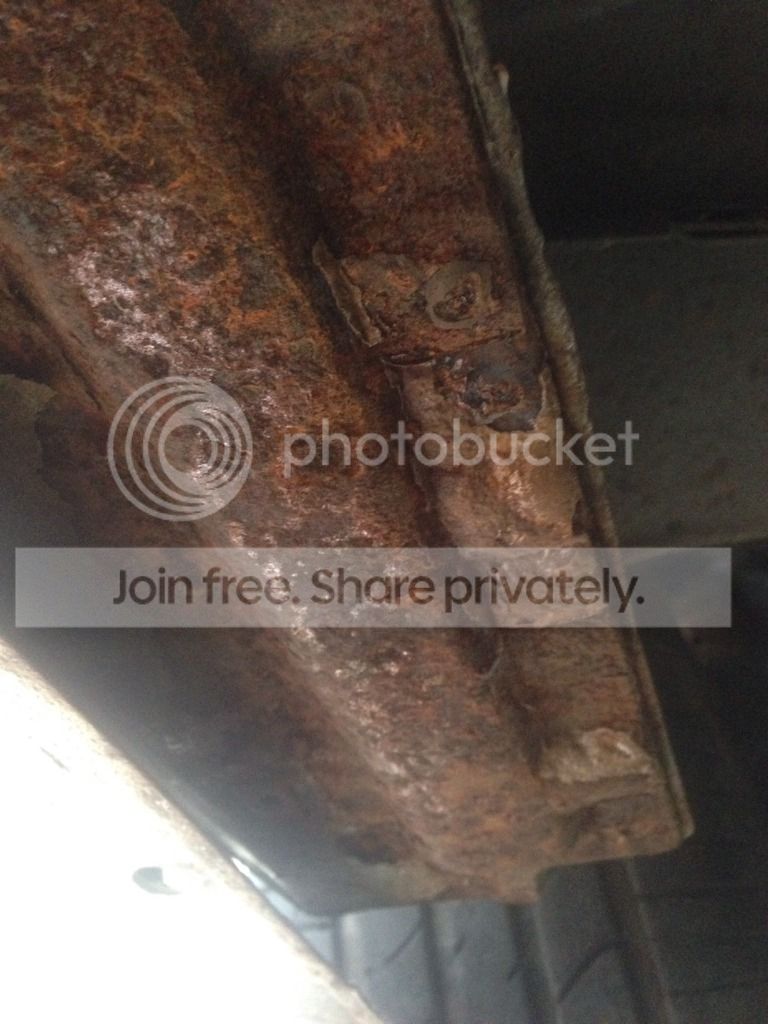
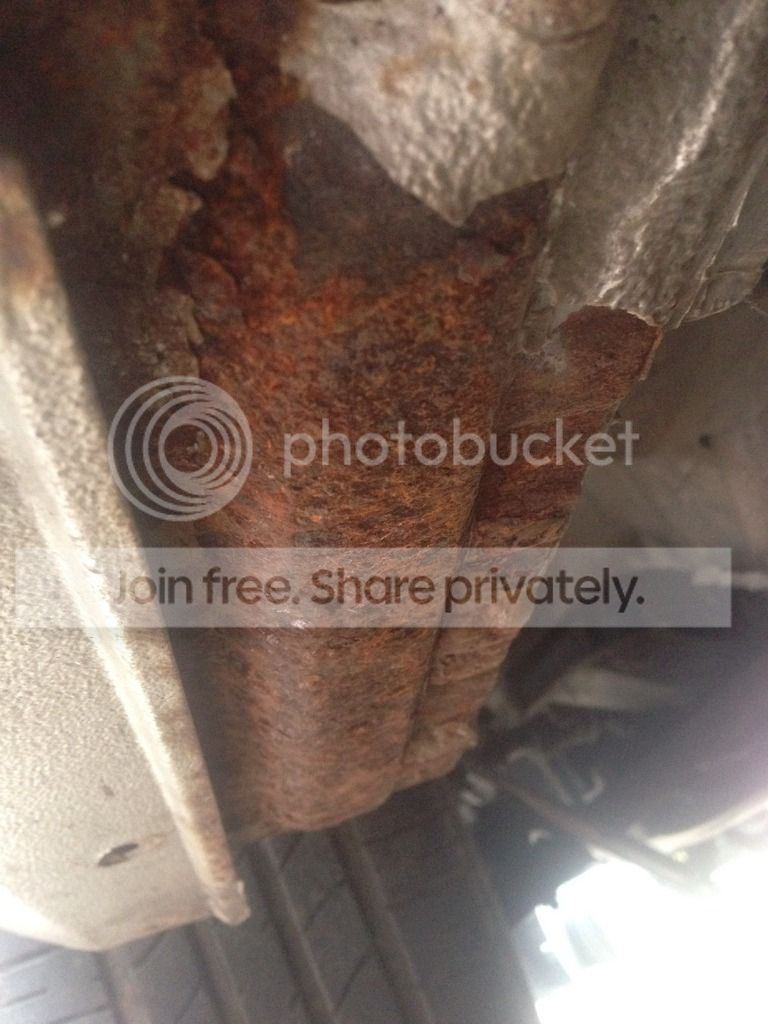


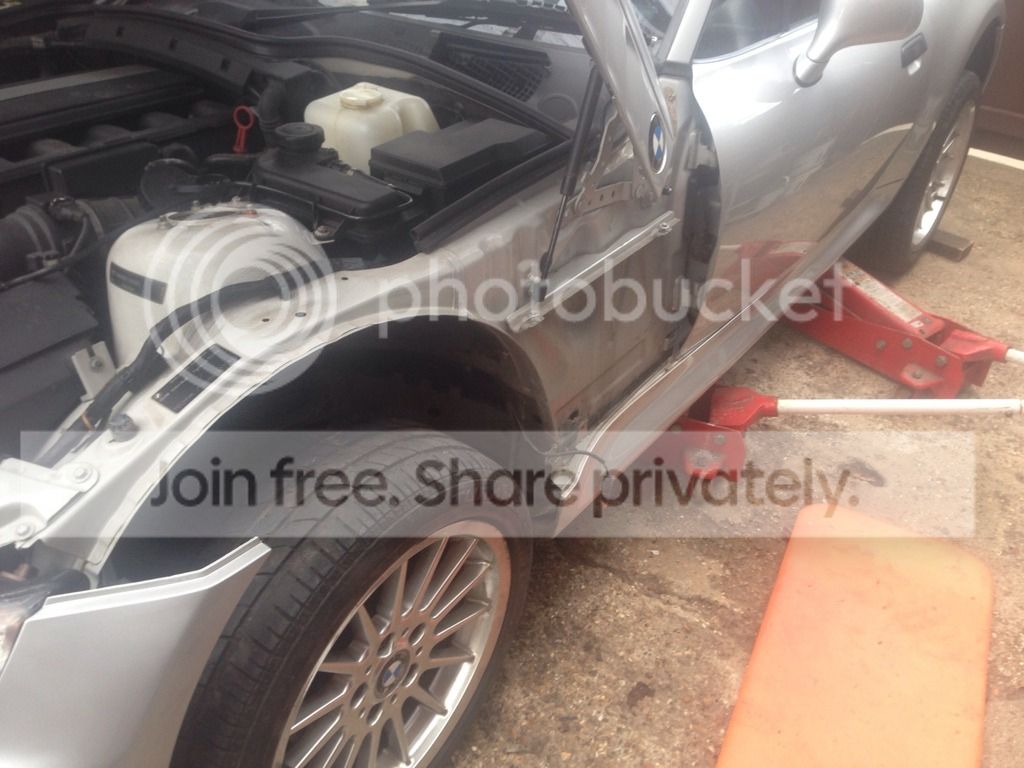
First stage strip stuff as I need the outer sill out the way, which means:

Remove Wheel
Remove the plastic Undershield
Front Wing removed
Remove Plastic Jacking point
Door Sill plate removed
Detach but not remove the outer sill (to save time)
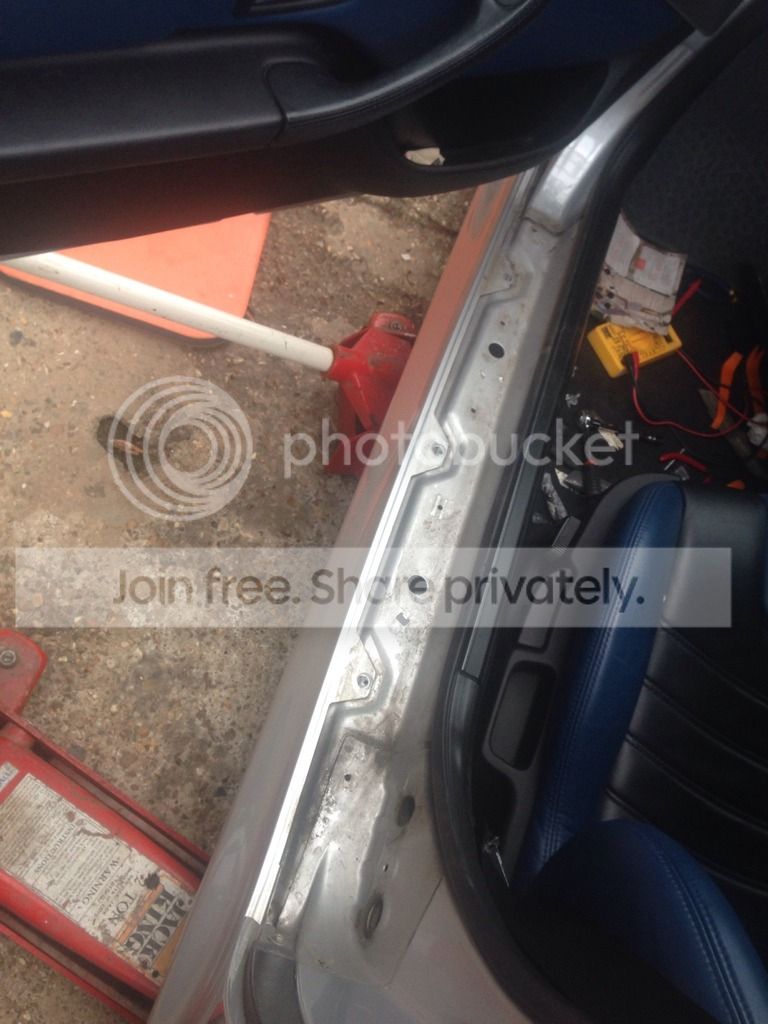


Then to stage 2:

Using a Angle grinder 115MM with a selection of wire brush's (no flap wheels or grinder dies as I want to preserve the good metal)
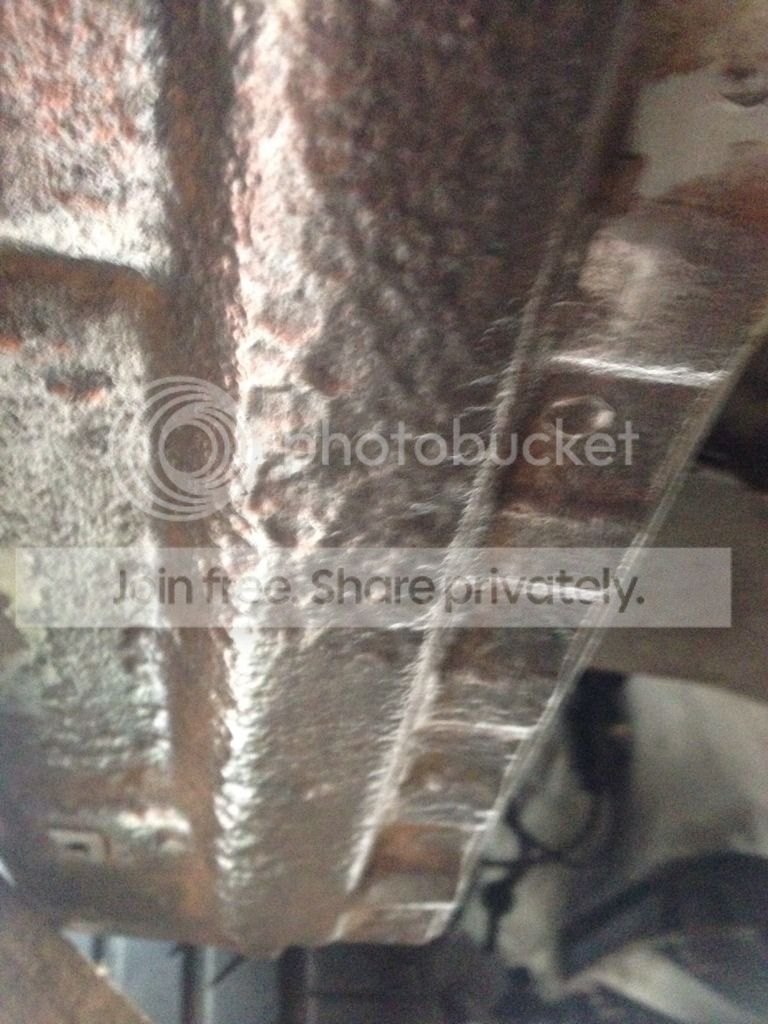
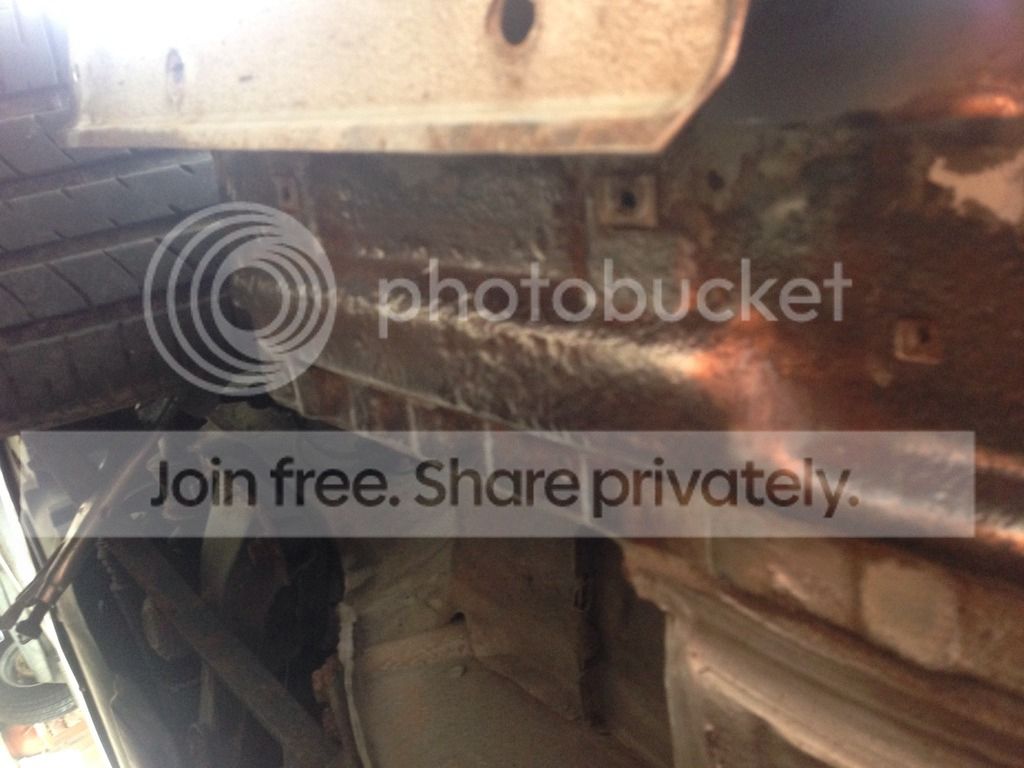
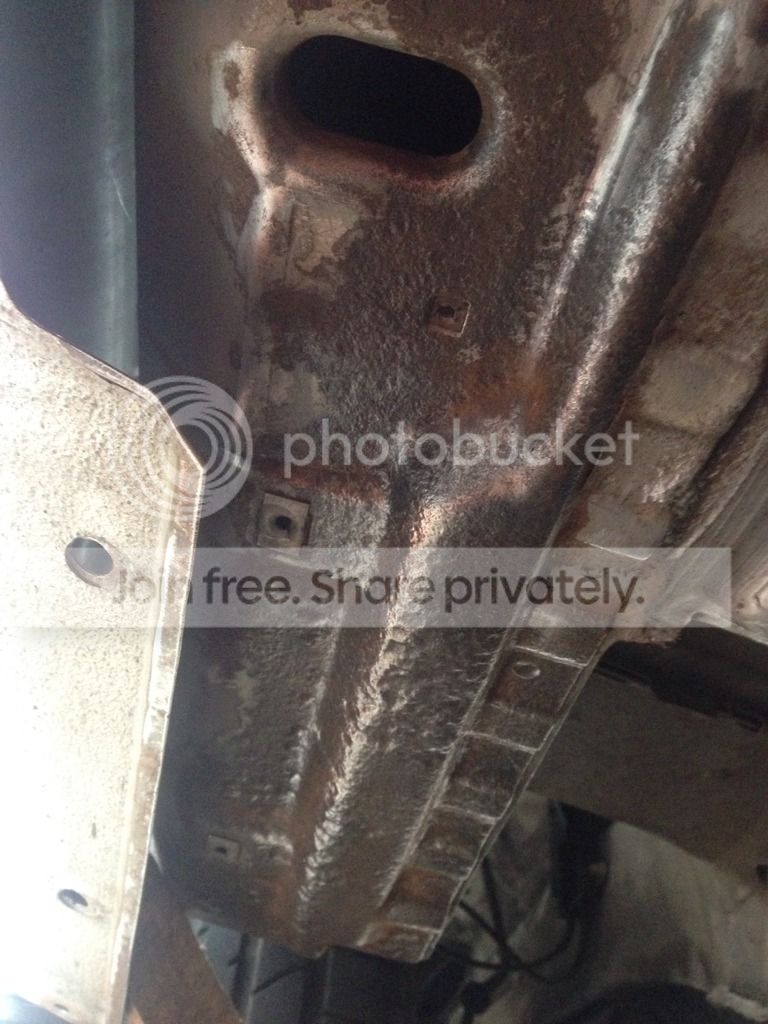
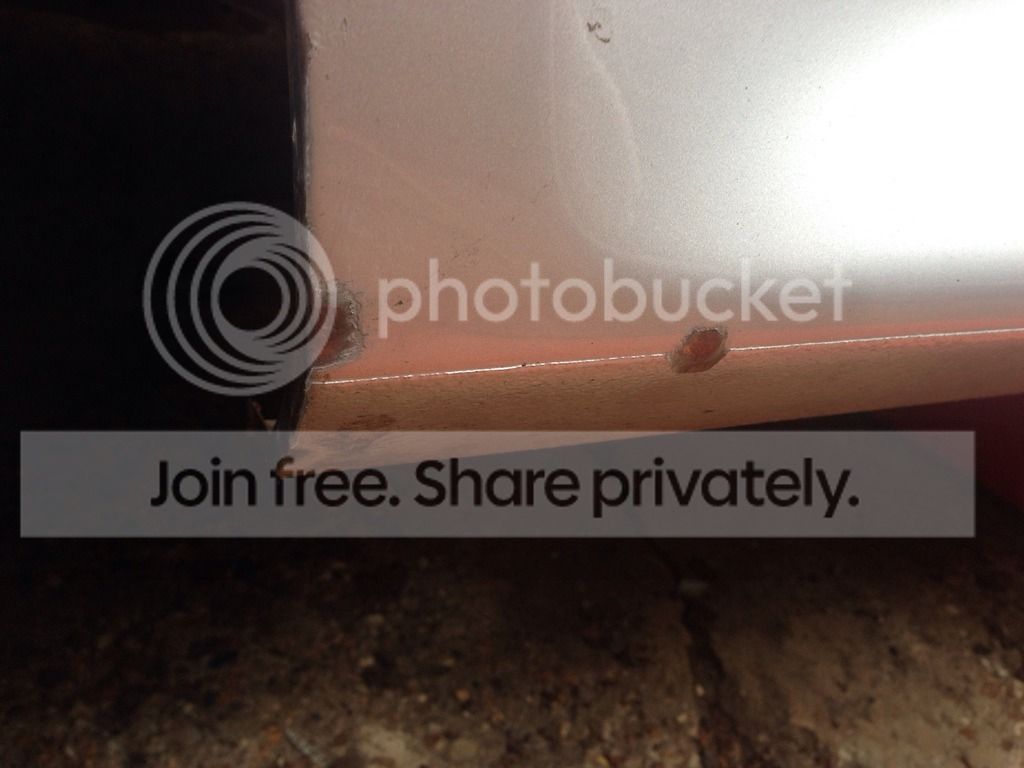
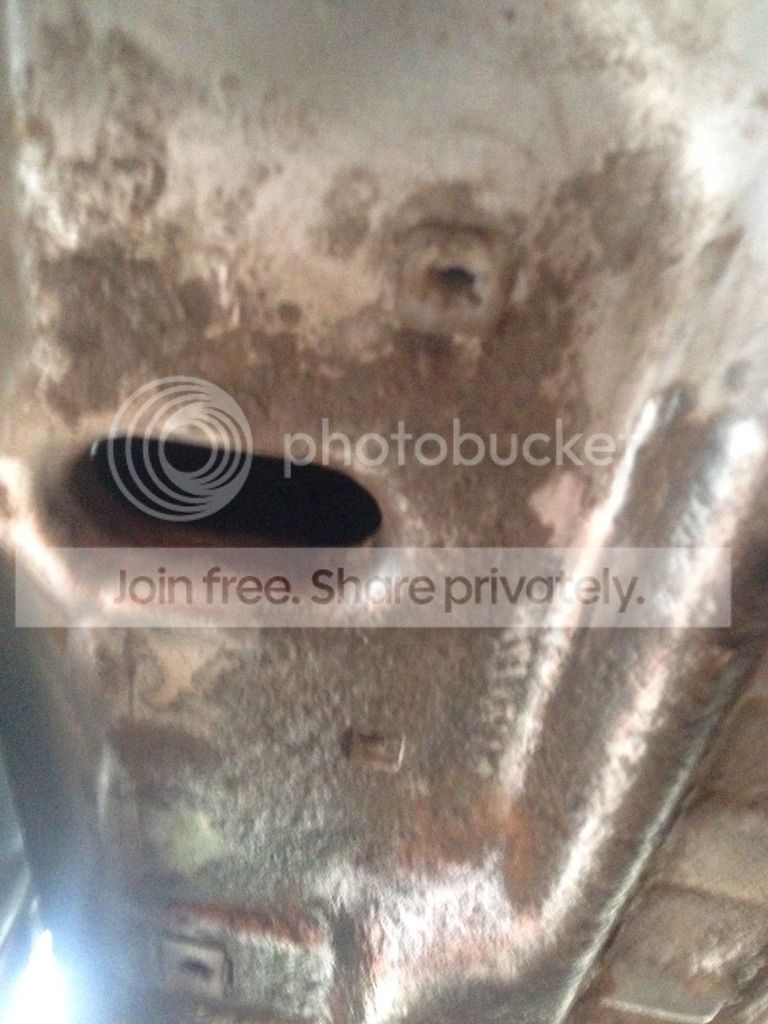


So now the rust is removed and the metal has a polished look to it, luckily the panel isn't perforated as the rust is only on the outside. The rust has has been caused due to break down of the under-seal BMW applied and is no doubt cased by debris coming of the tyres..

Next step Kill the remaining rust and stablilizess the metal, this is the step that stops rust reoccurring. This time I used Krust, but have used Finegans 21 and load of other stuff that looks the same i.e. a milky white thin liquid that turn the metal black. (basically its an acid +other chemical chemicals)
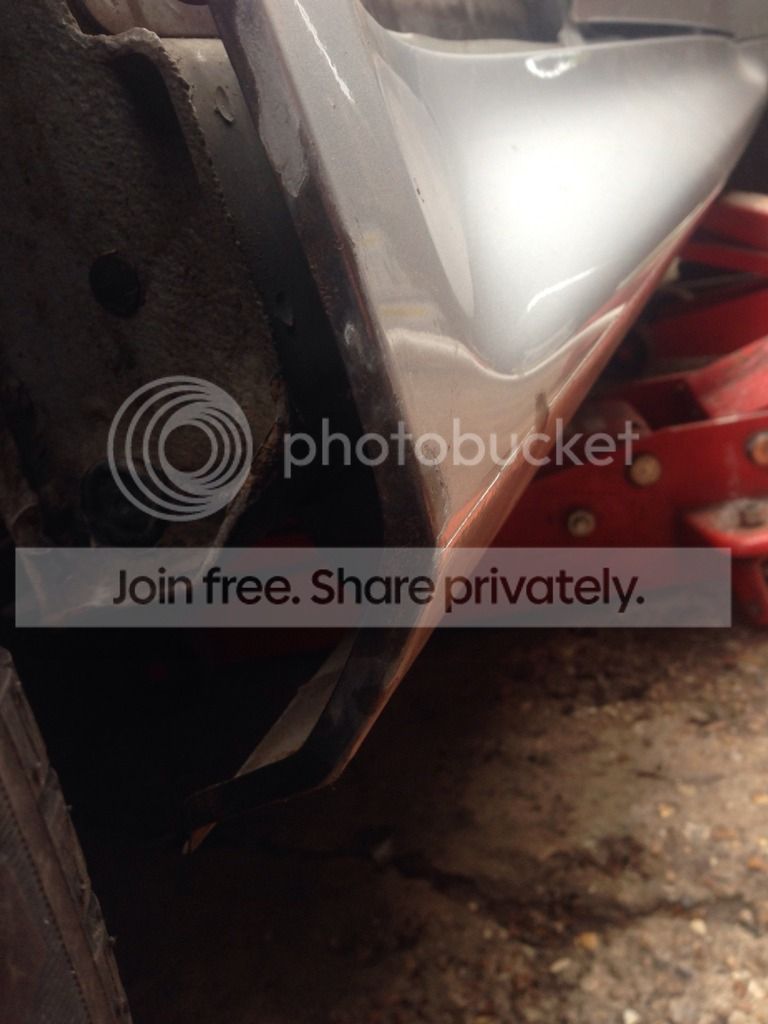
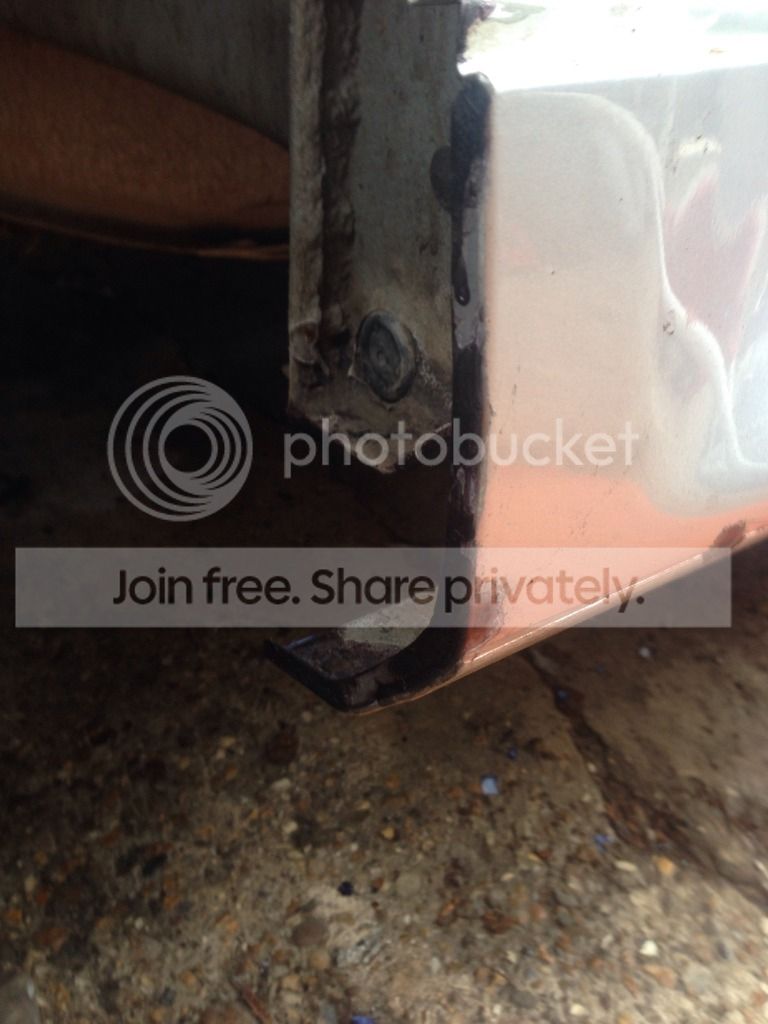
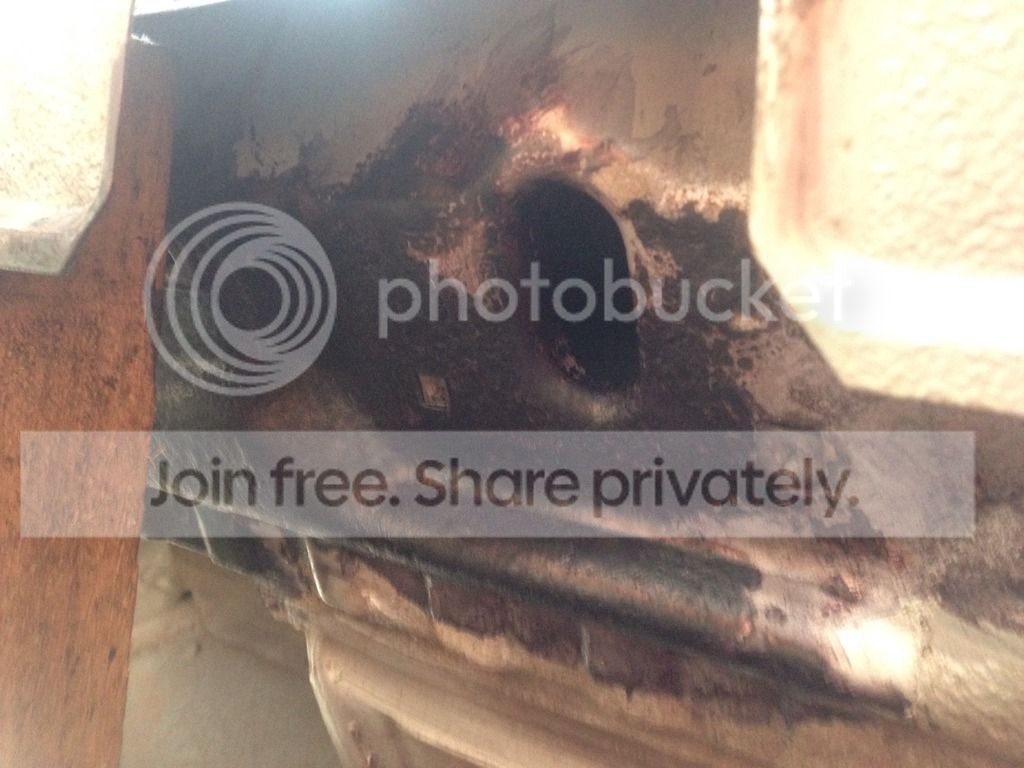
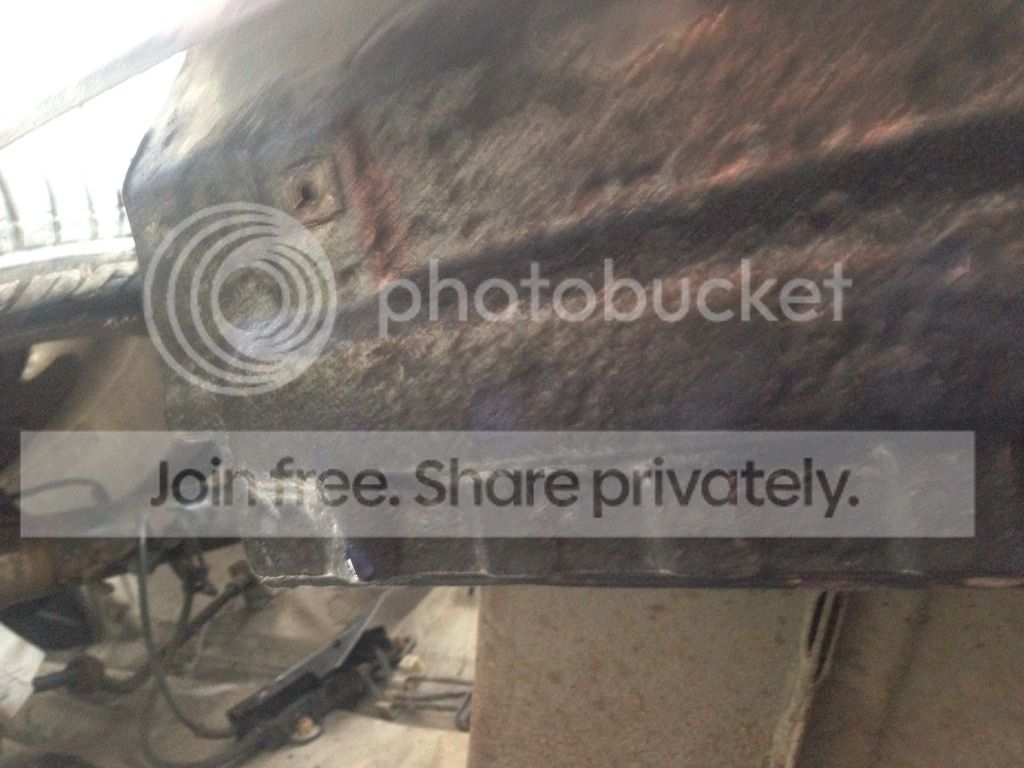
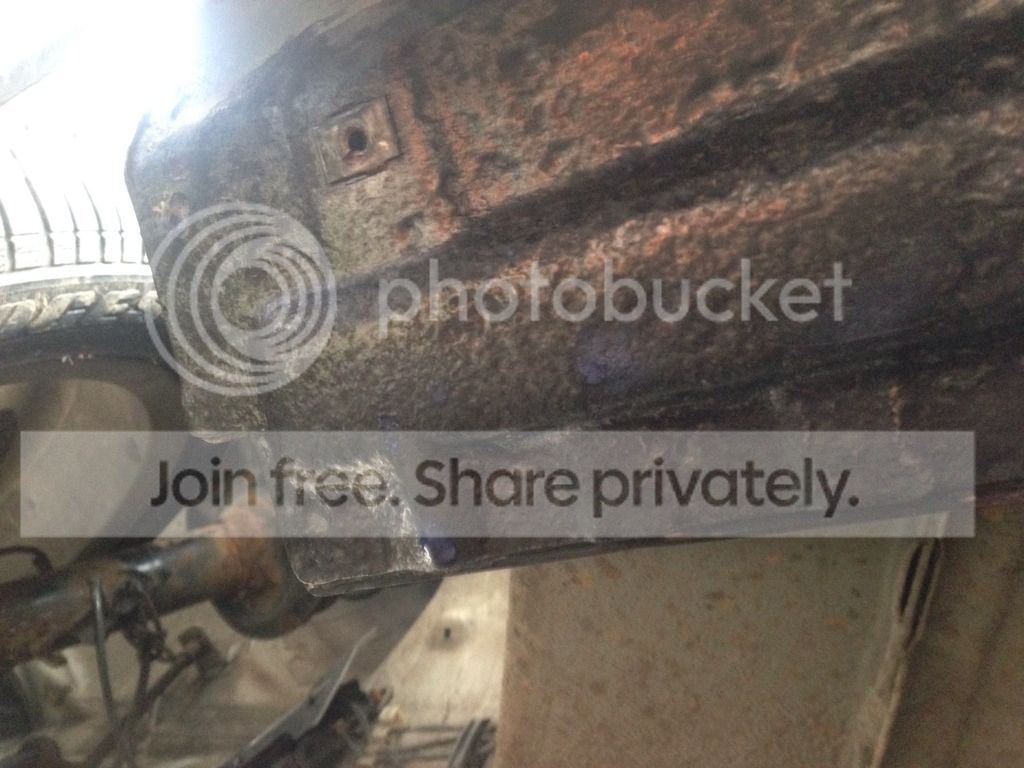


I like to leave this for 24hrs and then wipe down with Panel Wipe, then Next step:

Apply a Zinc Based primed, in this case a brushed on version of Davids 182 Zinc
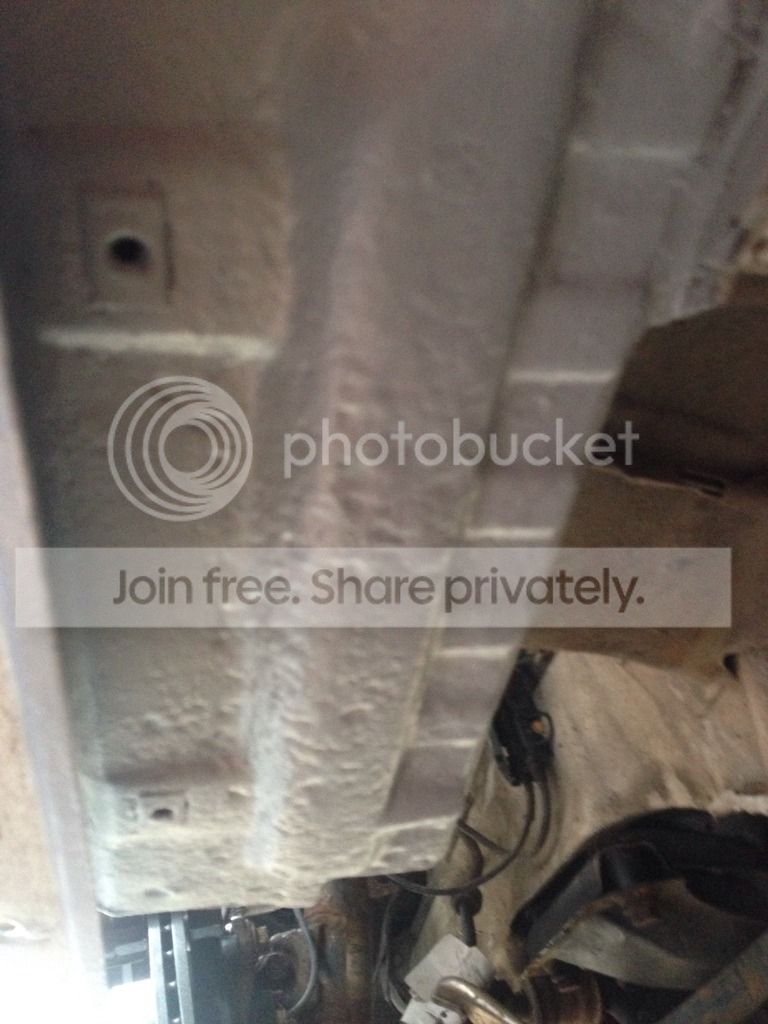


Then after curing for 12hrs the next stage:

New underseal/stone chip (i used gravtex with a proper schutz gun), of course after carefull back masking of the area:
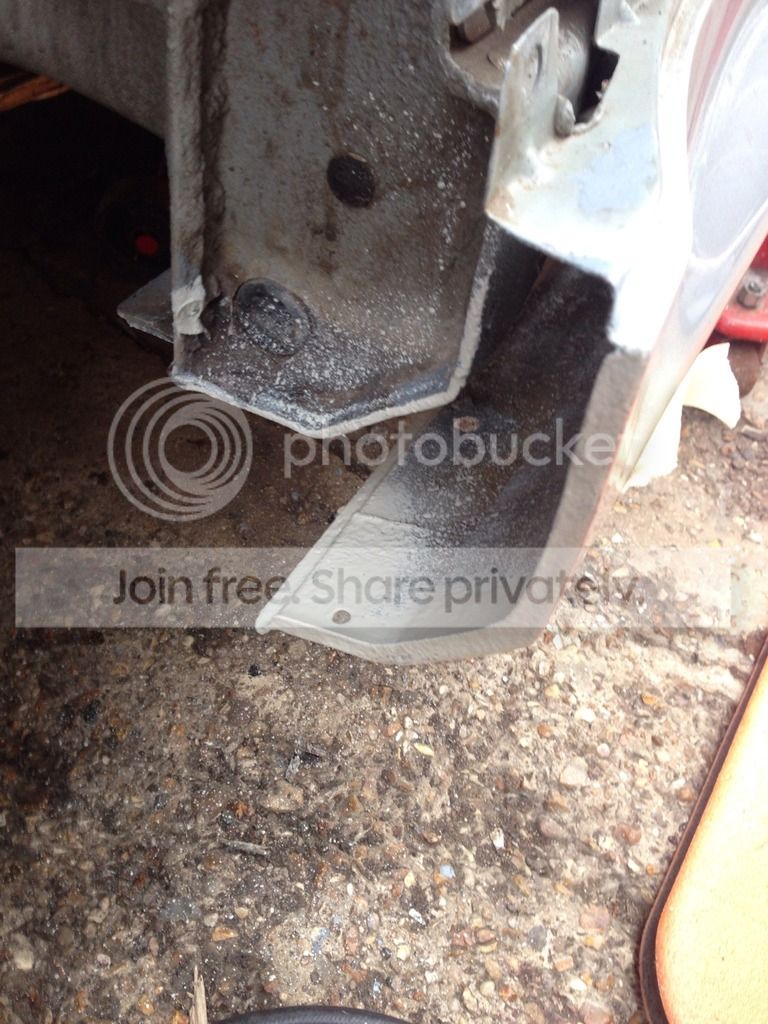
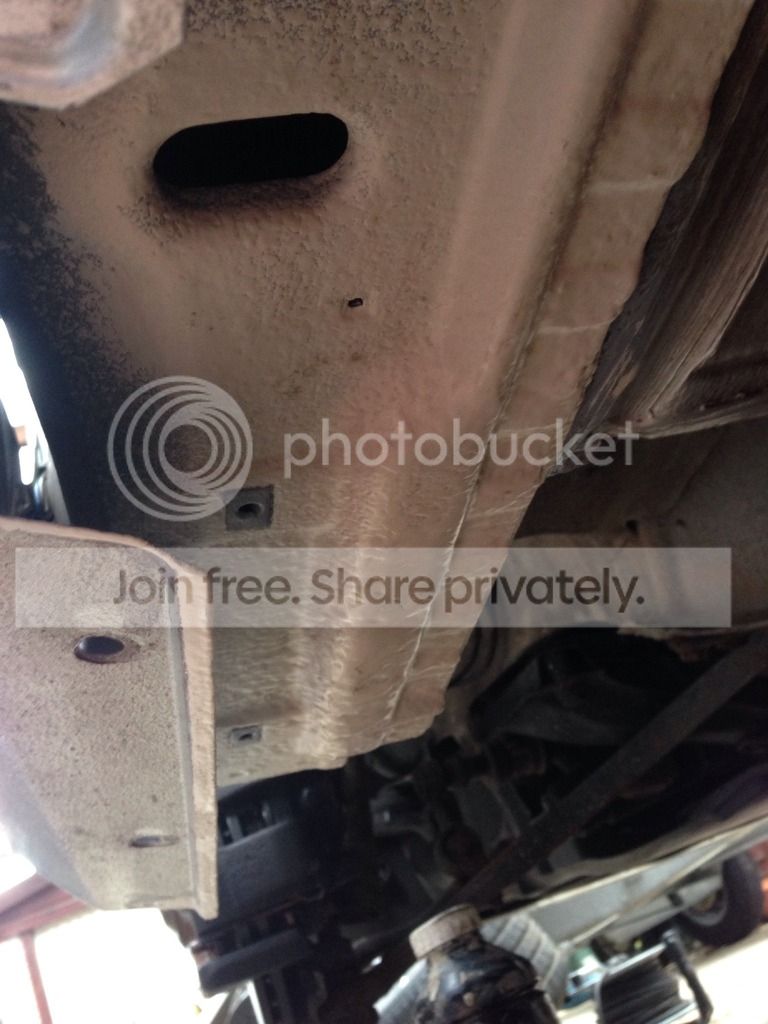
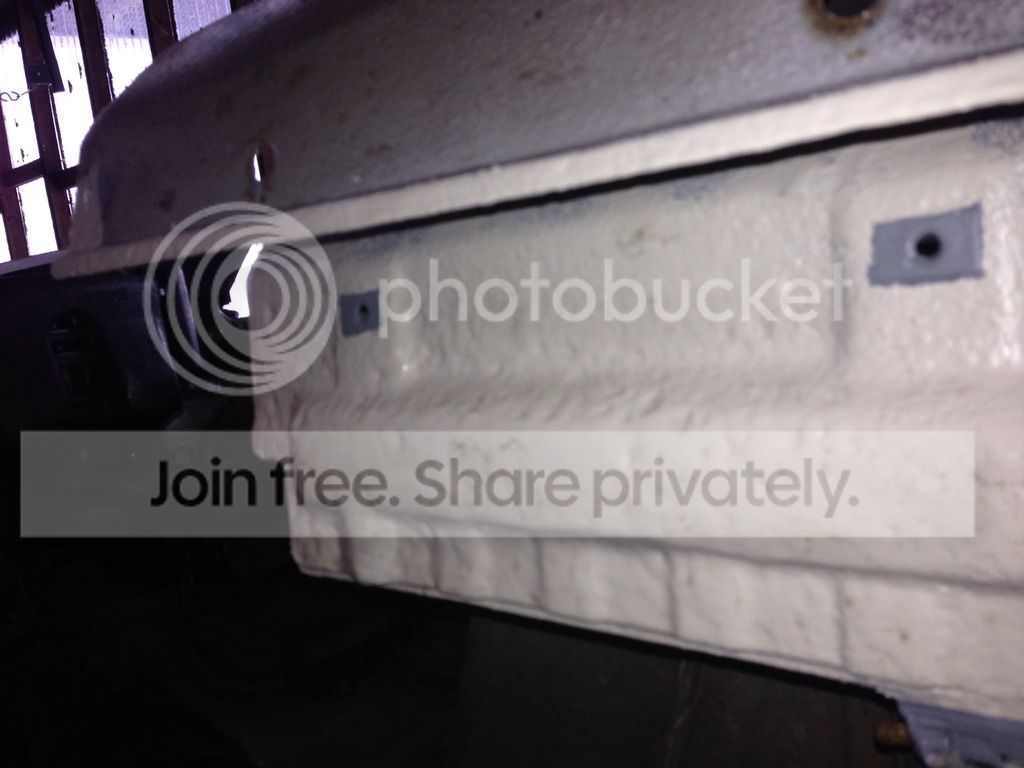


Next step will be paint... Ill be doing that next week sometime...
 
Great job and interesting to see. Thanks for sharing :thumbsup:
 
Excellent job, I know a few suffer from rust in this area so the breakdown of the repair will come in really handy for those needing to do it. Thanks for sharing. :thumbsup:
 
Great to see and even better you've taken the time to write up your progress for the rest of us to read. :thumbsup:
 
Great and interesting thread :p
Thanks for sharing ;)
 
Will I have a question: the Zn primmer is a 2k product or just a spray?
 
I need to do this job but after many many hours searching the interweb and reading lots of reviews ect I decided on this 2 pack paint http://www.rust.co.uk/epoxy-mastic-rust-proofing-paint/c28117/
then I will underseal over the top unless I decide to strip off everything under the car and just paint it with this stuff as I tried painting some rusty tube out the back of my house that's been there for years and its not come back through and I used the tube to leaver up some paving slabs and it only just about scratched the surface, the only thing was it took a while to dry but then it was the middle of winter :)
 
Davids 182 Zinc primer is a 1k product (cellulose based) either as brush on or aerosol spray - I use it because it contains zinc. Stone chip/Underseal is also 1k product.

However the most important bit is understanding the process, products can be substituted and 2k products are invariably better than 1k.

To simplify:

1. As much rust should be physically removed (see the polished look to the metal in my photos) then best way I have found to do this outside of dipping /electrolysis is using wire brushes on angle grinders (not drills as the not powerful enough) and emery paper. Rust effectively delaminates metal so you need to break through to the good metal otherwise you will leave pockets of moisture and oxygen.

2. The remaining surface the needs to be chemically stabilised before you use anything and I recommend leaving this for 24 hours to throughly dry and chemically finish.
There are lots of products out there that do this but specifically they are not Paints or epoxy or any form of coating.
*************This is in my opinion the most overlooked and most important stage to killing rust.

3. Then coat in a Primer, the 2k stuff mentioned above looks really good and is clearly better than 1k, however 2k products have a set working time and as a benefit will usually be ready to work on quicker (cellulose are best left for a day or so to dry).

Safety: 2k products may often contain cynide derivatives (isocyanate's) so be careful how you apply and determine the safety implications.

The 2k product mentioned I think will would be perfect for suspension components, I will try it shortly, thanks.

4. if the area be worked on is prone to flying debris like the underneath of the sill then you need to underseal with a stone chip product, either aerosol spray or with a schutz gun/compressor..
 
Last edited:
There's a product out of the USA called POR 15 which only requires the removal of the loose rust particles. When applied either by brush or sprayed it chemically bonds with whatever rust remains and forms a solid surface which water, etc can't penetrate. It can then be primed and painted over for a finish. Almost all custom, street rodders and restorers use it and it comes in both black and grey for ease of covering. JIM
 
Great write up, almost an exact copy of what I have to do on my Z, the product listing is a real bonus, thanks
 
There's a product out of the USA called POR 15 which only requires the removal of the loose rust particles. When applied either by brush or sprayed it chemically bonds with whatever rust remains and forms a solid surface which water, etc can't penetrate. It can then be primed and painted over for a finish. Almost all custom, street rodders and restorers use it and it comes in both black and grey for ease of covering. JIM

POR15 also needs the same prep as above and they have a complete kit of products they recommend you use. POR have a spray on rust converter which contains Phosphoric acid if you buy the complete kit.
 
Last edited:
I am labouring this point as I believe it to be crucial to success and longterm rust removal:

The key product (stage 2) for killing rust is a rust converter which you need as Iron oxide isn't chemically stable. Preparation needs to include a rust killer converter which contains Phosphoric acid/Tannin which reacts with Iron oxide to form Iron Phosphate which is chemically stable.

Incidentally Phosphoric acid was original used to preserve old iron artefacts found on archaeological dig sites...

I put post up because lots of people just paint over rusty metal they have cleaned up with a wire brush and this simply won't work longterm
 
Last edited:
why are the vice grips nipping the brake line? I don't really like doing that for very long.

to stop the brake fluid escaping whilst I put on a new nearside calliper, and brake disks and pads all round (see my other post).. I always tightened moles grip to max to make sure I destroy the pipe ;-)

Theres actually cardboard in there....
 
Back
Top